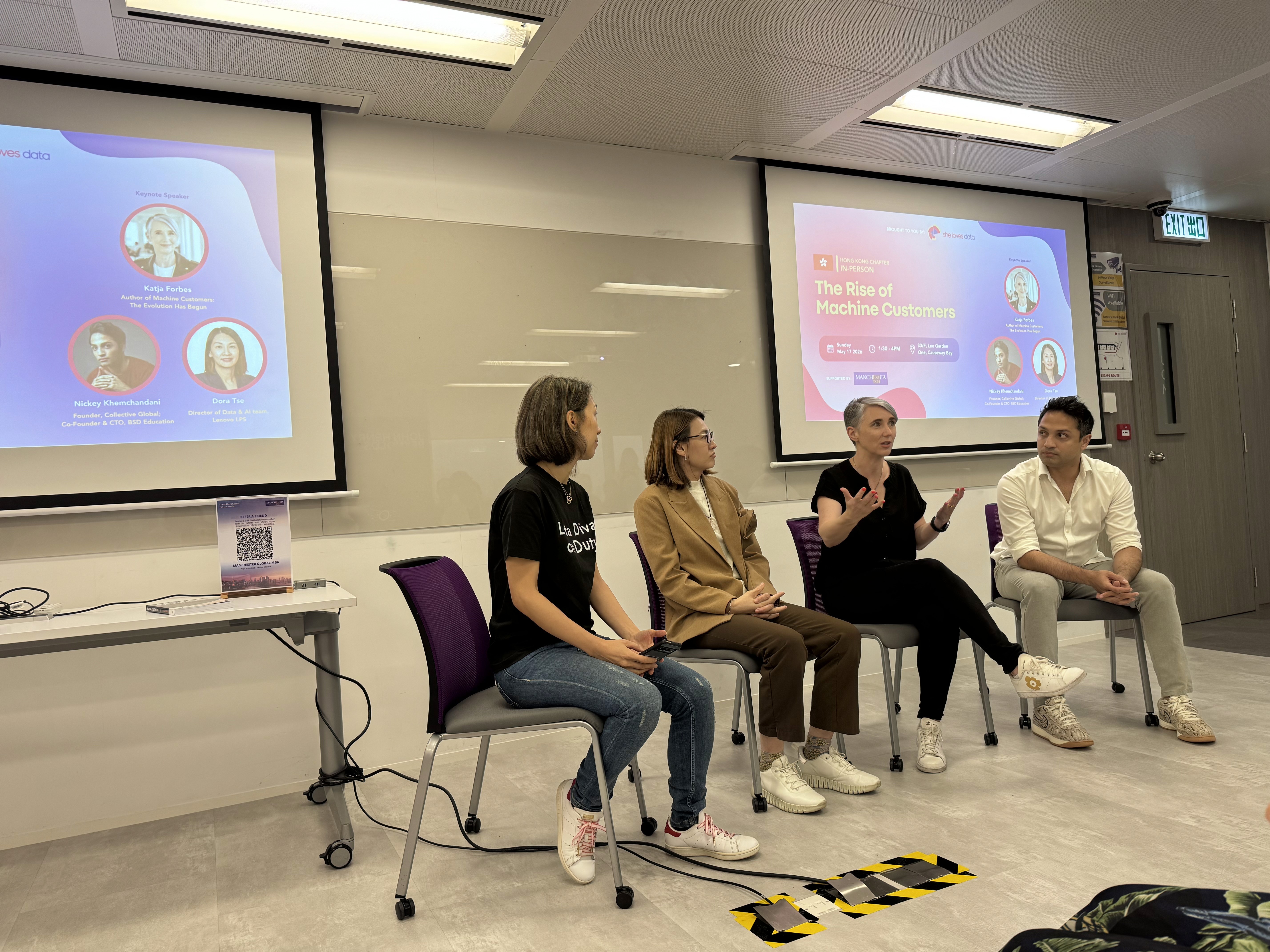
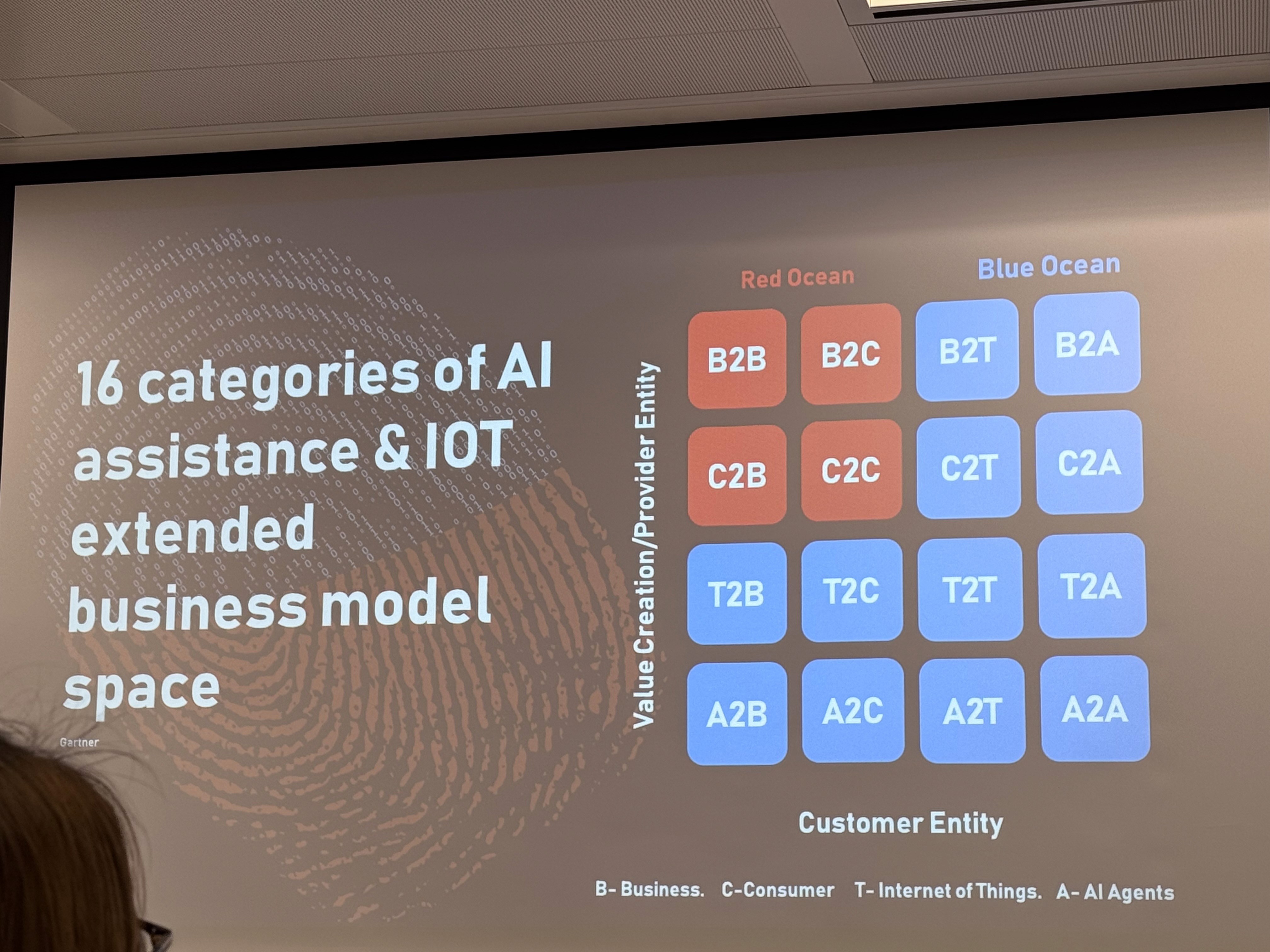
I attended a genuinely eye-opening session yesterday hosted by She Loves Data: The Rise of Machine Customers, a talk led by Katja Forbes, Dora Tse, and Nickey Khemchandani. I walked away with the kind of unsettled feeling that usually means something important just shifted. So here is me trying to make sense of it, particularly for law firms.
What Are Machine Customers, Exactly?
Machine customers are AI agents that make authorised purchasing decisions on behalf of humans. Not recommendations. Not short lists. Actual purchases, bookings, and vendor selections, often without the end user ever engaging with your brand directly. It sounds like science fiction until you hear the numbers. According to Gartner, by 2028, 90% of B2B buying will be AI agent intermediated, channelling over $15 trillion of spend through automated exchanges. That is not a distant forecast anymore. That is three years away.
This Is Already Happening in B2B
The part that really landed for me was the Walmart example. They have deployed AI agents in their procurement process to source new vendors, negotiate pricing down, and extend payment terms, all autonomously during the RFP process. No human buyer involved. When a company the size of Walmart proves the ROI on letting machines shop for them, every procurement team in the world takes notice. This is not just grocery algorithms or Netflix recommendations. It is agentic AI reshaping how professional services get sourced, evaluated, and selected.
What makes this especially interesting is how these agents work. They are not browsing your website the way a human prospect does. They are crawling structured data, verifiable feeds, public-facing credentials, and digital signals across every channel they can access, including channels you have probably neglected. As one speaker put it, they will help decide what to buy, pay for it, arrange delivery, and if one parameter is not met, quietly replace your brand with a competitor. You would not even know it happened.
So What Does This Mean for Law Firms?
This is where I want to be honest about where I think the disruption hits hardest, and where I genuinely have more questions than answers.
For firms serving individual clients in areas like family law, personal injury, civil disputes, wills and probate, the shift is already beginning. AI agents are increasingly being used to research and shortlist service providers, and at minimum, they will be booking the consultation on behalf of the actual human using your service. Simply having a website and an inactive LinkedIn profile is not a strategy anymore. It barely qualifies as presence. The firms still largely relying on referrals with minimal digital infrastructure are quietly accumulating a disadvantage that will compound quickly. Within five years, being findable only through warm introductions will not be enough for practice areas where services are increasingly comparable.
The logic here is uncomfortable but straightforward. AI agents do not respond to reputation the way humans do. They respond to structured, accessible, verifiable digital data. If your firm is not optimised to be read and evaluated by machines, you are invisible to a growing share of the sourcing process, even if every human who has ever worked with you would refer you in a heartbeat.
A Genuine Question for Corporate Lawyers
Where I have real uncertainty is corporate law. If you are working directly with General Counsel, managing complex matters where the RFP process is the exception rather than the rule, the machine customer dynamic feels much less immediate. The relationship-first model in that context still makes sense to me. But I am curious whether corporate lawyers are seeing early signs of this, whether in how GCs are researching firms before engagement, or how internal procurement processes are starting to formalise. Genuinely would love your thoughts.
One Takeaway I Am Sitting With
The event framing that stuck with me most: your digital presence should no longer be designed only for the human reading it. It increasingly needs to be legible to the machine evaluating it. For law firms, that means your SEO and AEO strategy is not just a visibility play anymore. It is foundational to whether you get considered at all.
Huge thanks to She Loves Data for running events that push business owners to think past the tools and into the actual implications. This one will stay with me.
Curious what your firm's digital presence actually looks like to an AI agent? Request a free marketing audit and we will show you exactly what machines can and cannot find about your firm.
Frequently Asked Questions
What is a machine customer in the context of professional services?
A machine customer is an AI agent authorised to make purchasing or sourcing decisions on behalf of a human or organisation. In professional services, this could mean an AI agent researching law firms, comparing practice credentials, and booking an initial consultation without any human initiating that search. The agent operates based on pre-set parameters and structured digital data, which means firms with incomplete or unoptimised digital profiles may never enter the consideration set.
How should law firms respond to the rise of AI-driven procurement?
Law firms should treat their digital presence as infrastructure, not a marketing add-on. This means ensuring their website, attorney profiles, practice area pages, and structured data are all optimised to be read and evaluated by AI agents, not just human visitors. Firms serving individual clients in areas like family law, personal injury, or probate are most immediately exposed and should prioritise law firm SEO and AEO strategies now rather than after the shift becomes undeniable.
Will AI agents replace referrals as the primary source of new legal clients?
Not entirely, and not all at once. Referrals will remain influential, particularly in corporate and high-value advisory work. However, for practice areas that serve individual or transactional clients, AI agents are already entering the early stages of the sourcing journey. Even in referral-led scenarios, Gartner research suggests that 75% of B2B buyers will still prefer human interaction at the decision stage by 2030, meaning the hand-off from agent to human will remain, but firms need to be in the consideration set first.
What is AEO and why does it matter for law firms?
Answer Engine Optimisation, or AEO, is the practice of structuring your digital content so that AI-powered search tools and autonomous agents can accurately extract, evaluate, and cite your firm's expertise. Unlike traditional SEO, which optimises for ranking in a list of links, AEO ensures your content answers specific questions directly enough to be referenced by AI systems without a human needing to visit your site. For law firms, this is becoming critical as more clients and AI agents begin their sourcing journey through conversational AI tools rather than a Google search.
Is this relevant to small and mid-sized law firms or just large firms?
It is arguably more urgent for smaller firms. Large firms have brand recognition that may carry weight even in automated evaluation processes. Smaller firms competing on expertise and service quality have less margin for being overlooked. If an AI agent cannot find structured, credible, and comprehensive information about your firm's practice areas and outcomes, it will simply move on to a competitor that has done the work. A digital audit is a practical starting point for understanding where the gaps are.